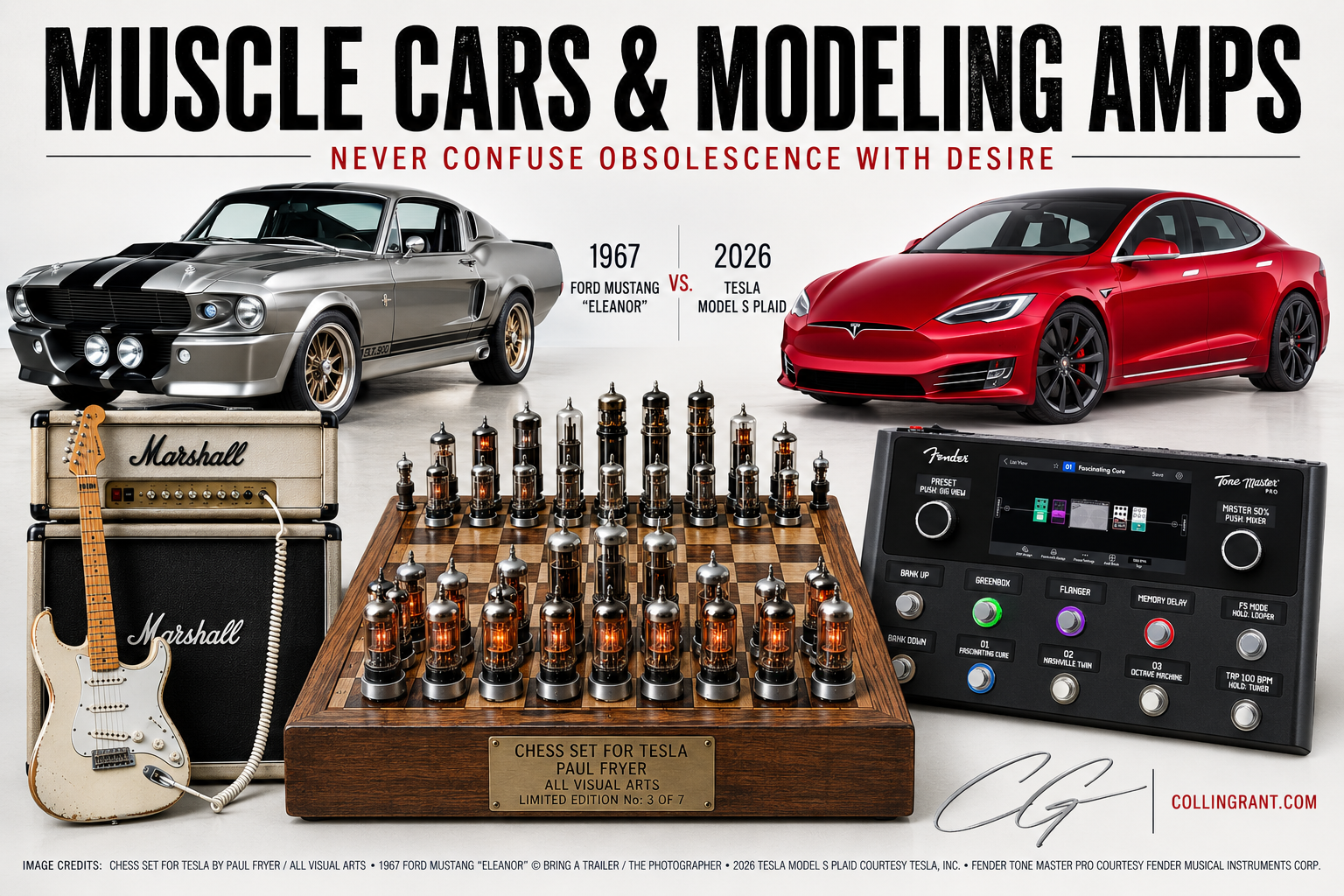
The evolution from tube amplifiers to modeling technology has a surprising amount in common with the evolution from American muscle cars to electric vehicles. The timelines even roughly cooperate.
Go back to the 1950s and 60s and both industries were building increasingly ridiculous machines. American automakers were in horsepower wars. Guitar players wanted bigger amps. Fender and Marshall were defining what electric guitar sounded like while Ford and GM were helping define what an American performance car looked and felt like.
Big engines. Big amps. More horsepower. More watts.
Neither was particularly efficient. That wasn't really the point.
A big-block muscle car converted gasoline into noise, heat, speed and tire smoke. A Marshall stack converted electricity into noise, heat and enough volume to rearrange the first several rows of a concert.
They were mechanical, physical experiences, and the shortcomings eventually became part of what people loved about them.
Then the world around both products started changing.
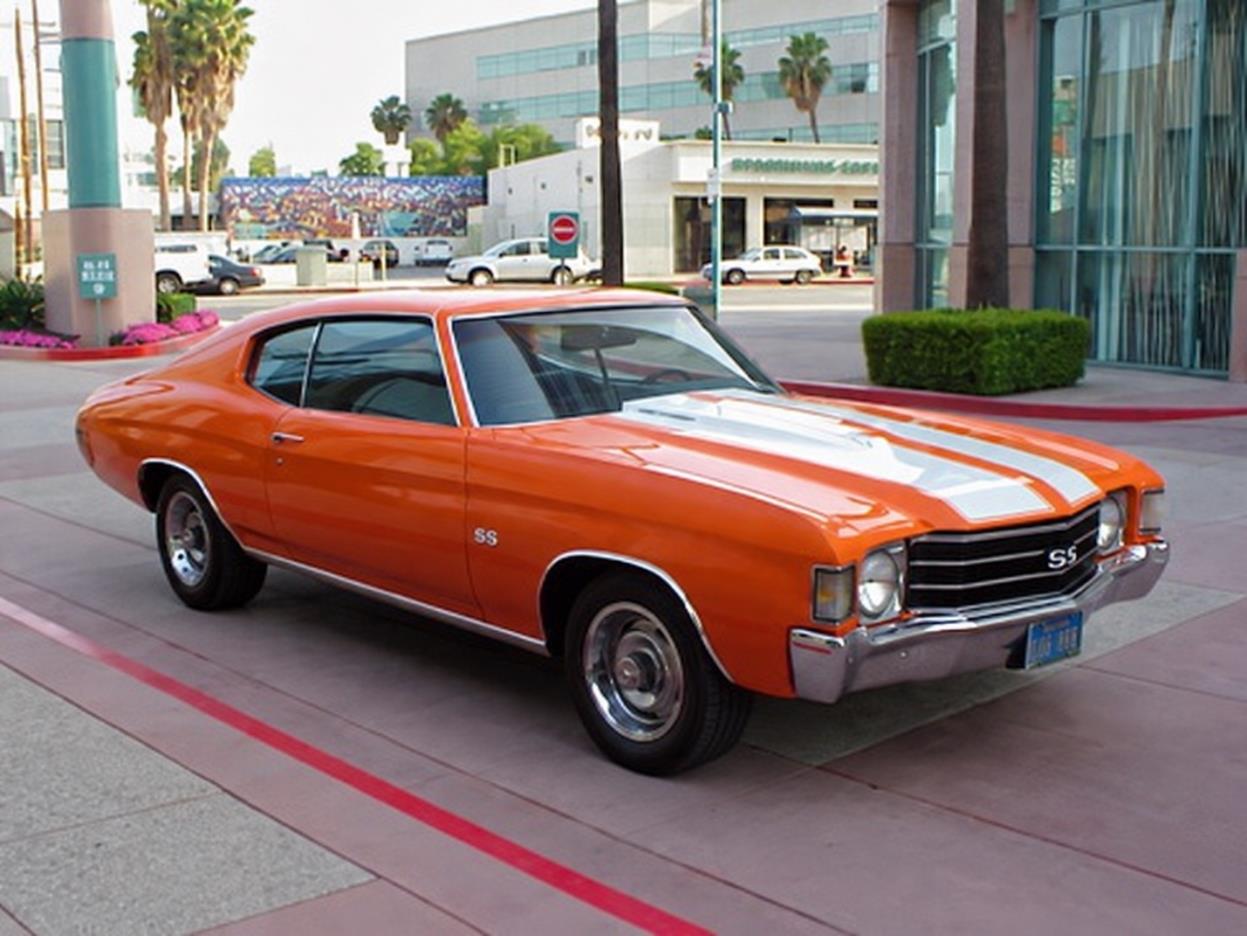
The oil crisis, rising fuel prices, emissions requirements and changing economics made giant American engines harder to live with. Around the same time, vacuum tubes were disappearing from mainstream consumer electronics. Western tube manufacturing contracted dramatically, eventually leaving guitar amplifiers dependent on a small number of factories in countries most people couldn't pronounce, much less find on a map.
The old technology didn't suddenly stop working. The environment around it changed.
Then came the practical challengers.
Japanese cars arrived in force offering smaller engines, better fuel economy and eventually a reputation for extraordinary reliability and quality. In the amplifier business, solid state proliferated for many of the same practical reasons. It was cheaper, lighter, more reliable, easier to manufacture and suddenly everywhere.
That comparison isn't perfect. Japanese automakers ultimately built some of the best cars in the world, and plenty of great solid-state amplifiers exist. But neither made the thing they replaced disappear.
People still wanted Mustangs.
Guitar players still wanted Marshalls.
And neither industry jumped directly from old technology to what we have today. Cars moved through fuel injection, computer controls, hybrids and increasingly software-controlled vehicles before EVs became a serious alternative. Amplifiers went through decades of solid state, hybrids, early digital technology, modeling, profiling and now capturing.
During all of that, something else happened that I think matters even more.
The world became less accommodating to the old technology.
A Marshall stack still sounds like a Marshall stack. The problem is finding somewhere you're allowed to turn one up.
Stages got smaller. Stage-volume restrictions became common. In-ear monitors and silent stages arrived. Home recording exploded. Fly dates made weight important. Shipping became expensive. Apartment and bedroom players needed great sounds at volumes that didn't result in a visit from the neighbors.
The shortcomings that guitar players had tolerated for decades suddenly mattered a lot more.
Cars followed their own version of that story. Fuel economy, emissions, traffic, maintenance, technology and regulation increasingly rewarded a different kind of vehicle.
Which brings us to modeling amps and EVs.
Both are remarkable pieces of technology.
A modern EV can embarrass legendary performance cars in a straight line while being quiet, efficient and requiring relatively little routine maintenance. Software can materially change the car after you buy it.
A modern modeler can give a player hundreds of amps, cabinets and effects in something they can carry onto an airplane. It can go directly into a PA, record silently at home, recall an entire rig with a preset and gain new capabilities with a firmware update.
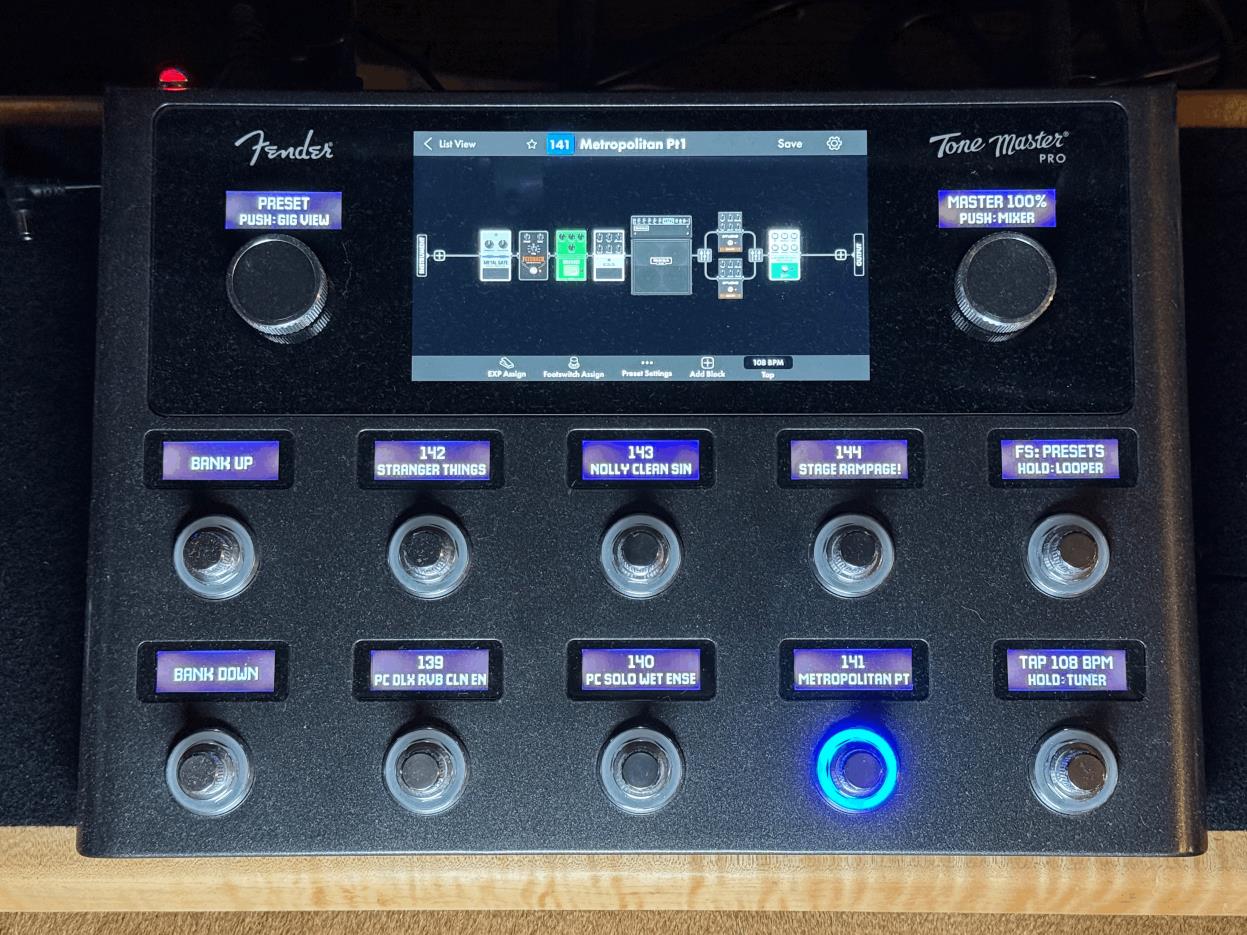
By almost every practical measure, both technologies solve problems their predecessors couldn't.
Of course, none of this has resulted in a peaceful transition.
Guitar players have divided themselves into camps. There is a staunch group that will tell you they will never own a modeler. It will never sound or feel like the tube amps they grew up with, and no amount of processing power or firmware updates will convince them otherwise.
Sitting just on the other side of an imaginary sound barrier lives another group of truth tellers. Their modeler sounds exactly like their tube amps, gives them hundreds more options, weighs a fraction as much and solves problems the old rig never could. They can't understand what the other guys are still hearing.
Both sides are completely convinced.
Cars have their own version of the same fight. Apparently technological transitions require a gladiator match to the death.
Send in the lions!
And yet plenty of people still want the old stuff.
Badly.
Vintage amp prices continue to climb, while pristine examples of the muscle cars many of us grew up wanting can trade well into six figures. Obsolescence hasn't made either one undesirable. In some cases, it has made them more valuable.
This is where the analogy gets really interesting to me.
One of the most important features in modern modeling technology is the ability to capture or profile an actual tube amplifier. We spent decades developing incredibly sophisticated digital technology, and one of the things we're most excited to do with it is make it behave like a 50-year-old circuit full of vacuum tubes.
We model tube distortion. Sag. Transformer behavior. Speaker breakup. Cabinets. Microphones. Even the interaction between individual components.
The automotive world is doing its own version of this. Some EVs now use synthesized sound and engineered feedback to recreate sensations associated with internal-combustion performance cars. Some even simulate shifting behavior.
Think about how strange that is.
There is another irony in all of this. We spent decades engineering our way around some of the vulnerabilities of gasoline engines and vacuum tubes, only to build the next generation around a completely different set of scarce components. Oil and tubes gave way to batteries and chips. Technology didn't eliminate dependency. It changed what we depend on.
And here we are, a generation later, flirting with another energy crisis while semiconductor supply has already shown how quickly the digital world can develop its own bottlenecks. History doesn't repeat perfectly, but apparently it does enjoy a reissue.
Then there is the stranger part. After engineering around the limitations of the old technology, we've spent enormous amounts of engineering effort putting parts of the old experience back in.
Maybe that's because customers were never just buying the mechanism.
They were buying the experience.
I don't love my supercharged V8 because it's the most rational way to move a vehicle down the road. A guitar player doesn't stand in front of a cranked tube amp because it's the most efficient way to get a guitar signal into a PA.
The noise matters. The vibration matters. The interaction matters. Sometimes even the inefficiencies matter.
Better at the function isn't always better at the experience.
There is also a generational piece to this that I think will ultimately decide where both markets go.
A guitarist who grew up listening to Hendrix, Page, AC/DC, Van Halen or Slash didn't just grow up listening to electric guitar. Tube amplifiers helped define what electric guitar was supposed to sound and feel like.
That player may approach a modeler and ask, "Does this feel like my amp?"
A younger player who learned through headphones, plugins or a modeler may never establish that reference point. Modeling isn't an imitation to them. It's just an amplifier.
Cars will eventually have generations of drivers for whom an EV isn't the alternative to an internal-combustion car.
It's just a car.
That doesn't necessarily mean the old technology disappears. Its role may simply change.
Classic muscle cars didn't vanish when faster, safer and more efficient cars arrived. They became enthusiast products, collector products and experience products. More than that, they became revered. Rightfully so. They own the history. The cars we grew up wanting, the races we watched, the posters on the wall and the machines that defined what performance was supposed to feel like.
For now.
Tube amps own much of that same history. They're on the records we grew up listening to and behind the players who defined what electric guitar was supposed to sound like. But history keeps being written, and eventually a generation raised on something different gets to decide what becomes classic.
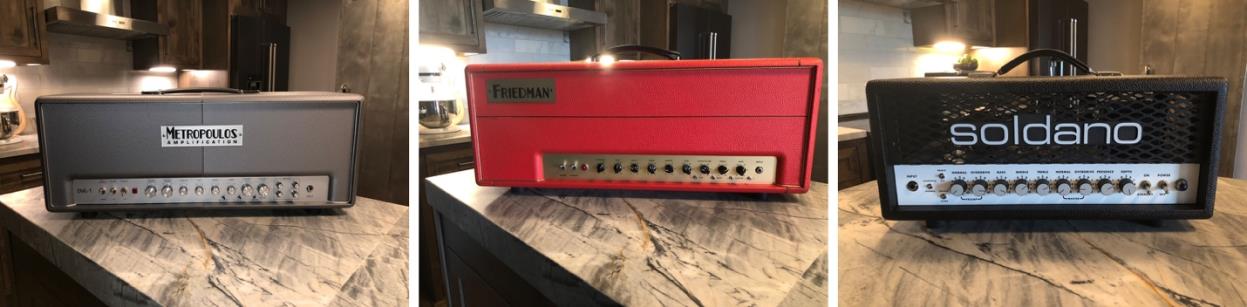
A Marshall stack once existed because it was a practical way to make a guitar loud enough for a large stage. Eventually, owning one may have less to do with needing 100 watts and four 12-inch speakers and more to do with wanting the experience of firing the damn thing up.
Technology doesn't necessarily eliminate what came before. Sometimes it changes the reason we own it.
Turn It Up!